Leederville:



When Balance and Vision Collide: Understanding the Eye/ Ear Connection in Vestibular Dysfunction
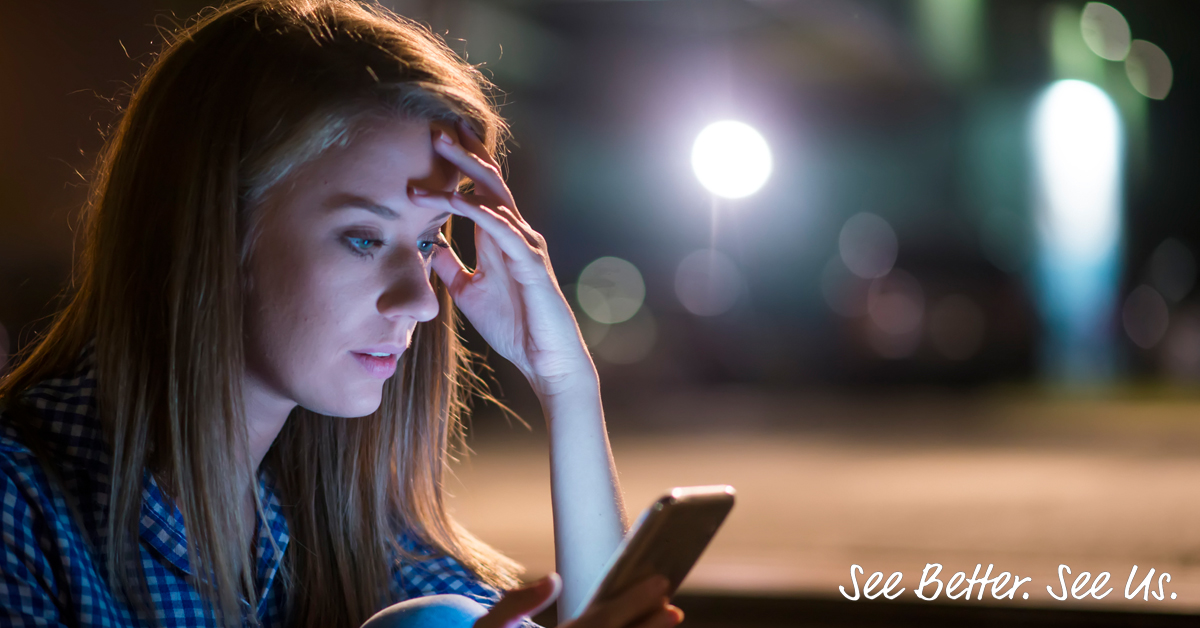
If you’ve ever felt really dizzy , felt disoriented in a busy shopping centre, or felt like the world was bouncing when you moved your head, it’s possible you may have a form of vestibular dysfunction. For a lot of people, the most disturbing part of these sensations isn’t just the dizziness or feeling off‑balance, but more how significantly their vision is affected.
As neuro‑optometrists, these are the symptoms we assess frequently. People come in reporting that their vision seems fine when they are still, but the moment they turn their head, try to read, or walk through a visually busy environment, the symptoms worsen. Words move, objects blur, floors appear to shift, patterned surfaces become uncomfortable to look at, and lights become painfully bright.
These challenges aren’t necssarily caused by a problem with the eyes themselves. They arise from a breakdown in the connection between two systems most of the time work in perfect synchrony: the visual system and the vestibular system.
In this blog , we discuss that relationship, explore why vestibular dysfunction can often create visual symptoms, and discuss how neuro optometric assessment can help support vision and the brain for clearer, stable, and more comfortable vision.
Why Your Eyes and Ears rely on Each Other
It’s not always obvious, but your inner ears and your eyes are in constant communication. This connection helps our brains understand where we are in space and keeps our vision stable whenever we move around or move your head. The mechanism behind this partnership is known as the vestibulo‑ocular reflex, or VOR.
What does the vestibulo-ocular reflex do?
The VOR is our in built stabilisation system. Every time you move your head, even by a few millimetres, the VOR sends signals to the muscles around your eyes to shift in the opposite direction. This system keeps your gaze stable, allowing you to:
- Read a sign while walking
- Recognise a face across a room
- Move your head without the world appearing to jump
If the VOR isn’t working properly, the eyes don’t keep up with head movement, and even slight motion may cause the visual world to bounce, blur, or spin. This is why people with vestibular dysfunction will often report that their vision is fine, as long as they keep very still.
What Happens When the VOR is not functional
When the inner ear mechanism send incorrect signals, the brain misinterprets how and where your head is positioned and moving. This mismatch can lead to a range of unsettling visual symptoms.
Common visual issues include:
- Oscillopsia: This is the sensation that the visual world might be jumping, bouncing, or vibrating, especially when walking, bending down, or turning the head.
- Blurred or unstable vision: The vision may blur, shake, or lose clarity during motion.
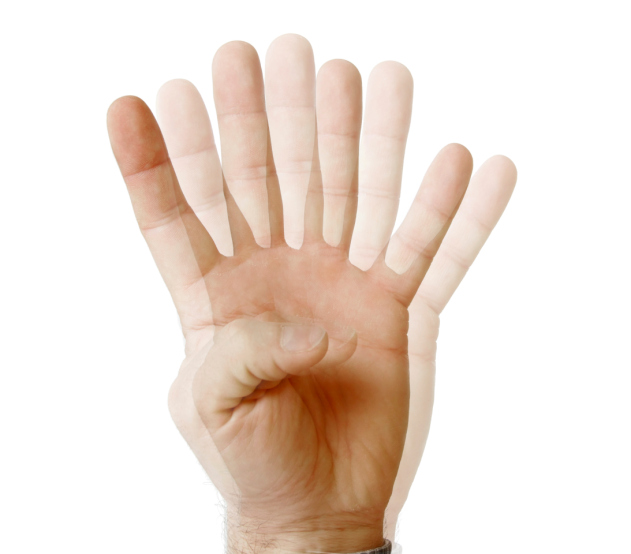
- Double vision: A subtle misalignment between the two eyes, resulting in ghosting or distinct double vision can become more obvious when the VOR is not fully functional
- Nystagmus: Rapid, involuntary eye movements, sometimes described by patients as flickering of the eyes.
Many people with vestibular dysfunction might also struggle with photophobia especially under fluorescent lights or in shopping centres filled with bright lighting and bold patterns. For some, even scrolling on a computer screen becomes overwhelming because the visual motion triggers visual discomfort.
Why Busy visual Environments Are so disturbing
When the vestibular system becomes affected, many people subconsciously start relying on their vision for balance. This is known as visual dependence.
In everyday life, visual dependence shows up in symptoms described as
- “Supermarkets make me dizzy and uncomfortable, the lights, the aisles, everything moving.”
- “Crowds overwhelm me, I can’t be in a large group of people”
- “I avoid shopping, as it’s a sensory overload experience for me”
Situations with lots of motion, such as scrolling text, passing traffic, moving crowds, patterned floors etc, can easily trigger symptoms because the visual system is being asked to do work the vestibular system would normally deal with. In addition, people with visual dependence often suffer pattern glare sensitivity, where bold linear patterns create visual discomfort.
In contrast, environments with little visual information, such as darkness or wide, open spaces, can also feel disorienting because visual dependents lose their main visual reference point.
Why Standard Eye examinations might overlook vestibular function
A routine eye examinaton is designed to check the health of the eyes when the head is still. And for many people with vestibular disorders, their eyes are anatomically and physiologically healthy.
The issue is not with the eyes, but more with how the eyes, brain, and middle ears coordinate movement.
Misalignments and visual instabilities that occur only when the head is moving are not likely to show up during a static eye chart test. This is why it would be important to see a neuro-optometrist as they are educated and trained to understand the dynamic relationship between vision and balance.
A neuro‑optometric assessment evaluates:
- Eye tracking
- Focusing accuracy
- Binocular vision function
- Stability of eye gaze and fixation during movement
- Ability to maintain visual alignment under different loads
This level of testing reveals visual inefficiencies that other assessments may not reveal.
Understanding the middle Ear’s Role
Inside each inner ear are tiny sensory hair cells that detect rotational and linear movement. When the head turns, these hair cells shift, altering the signals of the vestibular nerve. The brain compares the signals from the left and right ears to determine direction and speed.
If one ear sends weaker or abnormal signals, the brain receives mismatched information. This mismatch may cause:
- Vertigo
- Nausea
- Imbalance
- Visual instability
- Head‑motion‑induced dizziness
In the worst cases, turning the head slightly can make the world appear to jump or twist.
How Visual Problems Develop
When the vestibular system becomes dysfunctional, the visual system works harder to compensate. Over time, this can create visual stress or fatigue, that only manifests later.
Other common visual problems include:
- Difficulty focusing on near tasks
- Headaches after reading
- Reduced tolerance to screen work
- Trouble with following or tracking lines of text
- Eye strain
- Difficulty with judging distances or depth perception
- Patients may describe the feeling as “my eyes don’t know where to look anymore.”
Where Neuro‑Optometry can support Vestibular Dysfunction
The aim of a neuro‑optometric assessment is to assess the level of coordination between the eyes and the balance system, and not to simply achieve the sharpest vision.
Treatment and support might include:
1. Corrective Lenses
Sometimes a small change in prescription can significantly reduce visual strain. Careful frame selection and lens design help minimize peripheral lens distortion, which is critical for people sensitive to visual motion.
2. Prisms and prismatic corrections
Prisms alter the direction of light to help compensate for misalignment or improve spatial orientation. Even a small amount of prism can reduce dizziness and visual overwhelm.
3. Therapeutic Filters (Tints)
Certain tints and filters can decrease sensitivity to bright or flickering lights. These are especially helpful in shopping centres, workplaces with fluorescent lighting, or digital environments. The filters alter the signal between eye and brain, and affect visual perception positively.
4. Referral to a vestibular physiotherapist
Vestibular physiotherapists are experts in the assessment of the vestibular system in isolation and in prescribing highly effective forms of therapy
The Power of Combined Treatment
The best outcomes occur when optometric and vestibular rehabilitation work together. Vestibular physiotherapy helps regenerate balance pathways, while neuro‑optometric therapy strengthens visual efficiency and stability.
Together, these approaches support the brain to adapt and rebuild normal sensory integration.
Why Avoiding Movement Makes Symptoms Worse
One of the biggest challenges for people with vestibular disorders is the natural urge to avoid motion. When movement makes you dizzy or disoriented, staying still feels safer. But long‑term avoidance prevents the brain from learning new strategies.
A successful recovery depends on gently and gradually reintroducing:
- Head movements
- Visual complexity
- Varied environments
With guided therapy, the brain can regain its ability to interpret motion correctly and stabilise visual input.
Strategies for Better Vision and Balance
Living with vestibular dysfunction can be exhausting, disorienting, and emotionally draining, but the right assessment and support can be profoundly positive.
By understanding the eye/ear connection and addressing both systems together, you can be supported to help restore clarity, stability, and confidence in everyday life.
If you notice that your vision is affected by movement, busy environments, or changes in balance, a comprehensive neuro‑optometric assessment may be a life changing opportunity.
At Bullseye, we’re here to help you reconnect your visual and vestibular worlds so you can get back to moving and living with greater ease.
- 19 Jan 2026 Leeming Clinic Social Story
- 24 Dec 2025 2025 Christmas Trading Hours
- 09 Apr 2025 Pattern Glare and Sensory Overload: Why Shopping Centres Can Be a Nightmare – and How Neuro-Optometry Can Help
- 02 Apr 2025 How Paediatric Optometry Supports Neurodivergent Children in Perth: A Holistic Approach at Bullseye Clinic
- 13 Dec 2024 2024 Christmas Trading Hours



Ready to Book an Appointment?
Our experienced and friendly team are ready to help you and answer any questions you might have.
Book a Consultation